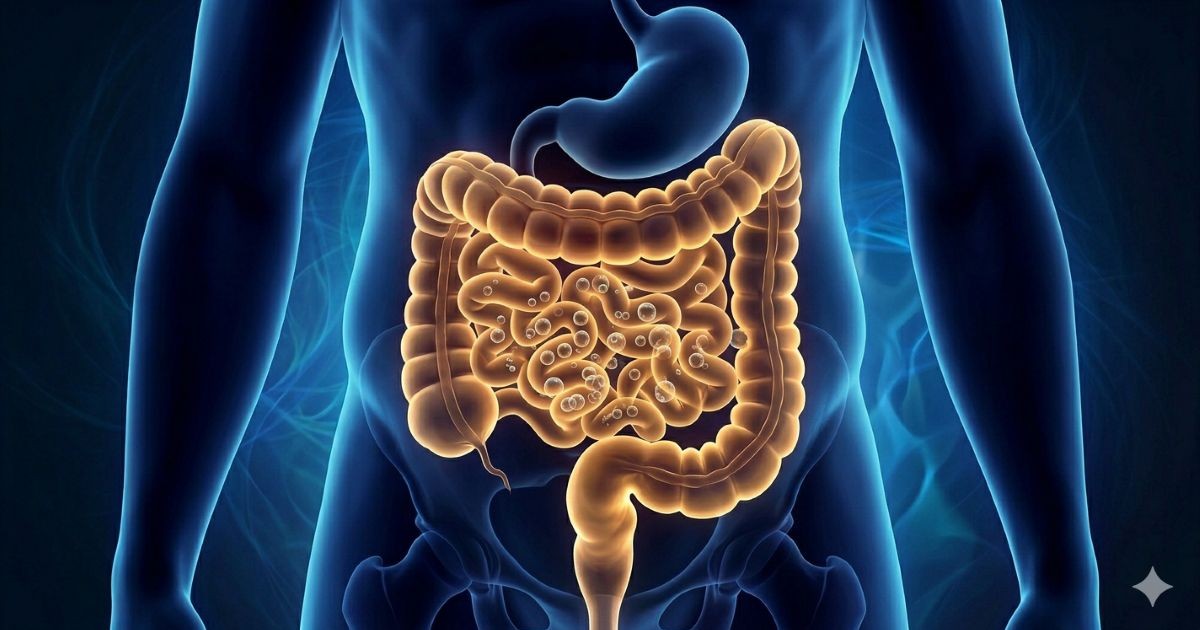
Ahara (Diet)
Preventive: Chew a small piece of fresh Adrak (ginger) with Sendha Namak (rock salt) 15 minutes before meals. This ignites Agni and prepares the stomach for food.
Avoid Completely: Rajma (kidney beans), Chole (chickpeas), Patta Gobhi (cabbage), Gobhi (cauliflower), Broccoli, and carbonated drinks. These are the most common gas-producing foods for Vata-aggravated digestion.
With Meals: Sprinkle Jeera (Cumin) powder — 1/4 teaspoon — on food. Cumin is one of the most effective carminative (gas-reducing) spices.
After Meals: Sip warm water only, never cold. Cold water extinguishes Agni and increases gas production.
Evening: Avoid raw salads and cold foods at dinner. The digestive fire is weakest in the evening, and uncooked food is hardest to digest.
Aushadhi (Medicine)
Primary: Ajwain (Carom Seeds) — 1/4 teaspoon chewed after lunch and dinner. Ajwain is the most effective immediate carminative in Ayurveda.
Additionally: Jeera-Dhaniya-Saunf tea (Cumin-Coriander-Fennel in equal parts) — 1/2 teaspoon total steeped in 1 glass of hot water after meals. This classical CCF tea balances all three doshas while relieving gas.
For Acute Gas: Hing (Asafoetida) — a tiny pinch in warm water. Hing is the fastest-acting carminative and works within minutes for trapped gas.
Duration: Ajwain and CCF tea can be used daily as needed. They are gentle enough for ongoing use.
Caution: Reduce Ajwain if you experience heartburn (Seene mein jalan). Hing should be used in very small quantities only.
Kriya (Practices)
Immediately After Meals: Vajrasana (Thunderbolt Pose) — sit in this kneeling position for 5–10 minutes. This is the only yoga pose recommended immediately after eating — it directly supports digestion and prevents gas formation.
For Acute Gas: Pawanmuktasana (Wind-Relieving Pose) — 5 repetitions on each side. As the name suggests, this pose literally helps release trapped gas.
Daily: Gentle spinal twists — 5 on each direction. Twists massage the abdominal organs and improve digestive movement.
Avoid: Heavy exercise within 2 hours of eating. It diverts blood away from digestion and increases gas production.
Vihara (Lifestyle)
Chewing: Chew each bite 25–30 times. Inadequate chewing is the most overlooked cause of gas — large food particles ferment instead of being digested.
No Distractions: No talking, TV, or phone while eating. Distracted eating leads to air swallowing and rushed chewing — both cause gas.
Food Combining: Don't mix fruits with meals — eat fruits separately, 30 minutes before or 2 hours after meals. Fruit combined with grains or proteins ferments rapidly.
Water Timing: Avoid drinking water during meals. Sip warm water 30 minutes after eating. Water during meals dilutes digestive enzymes.
Posture: Sit straight while eating — slouching compresses the stomach and impedes digestion.